Client system · Sales call intelligence
AI Sales Brain
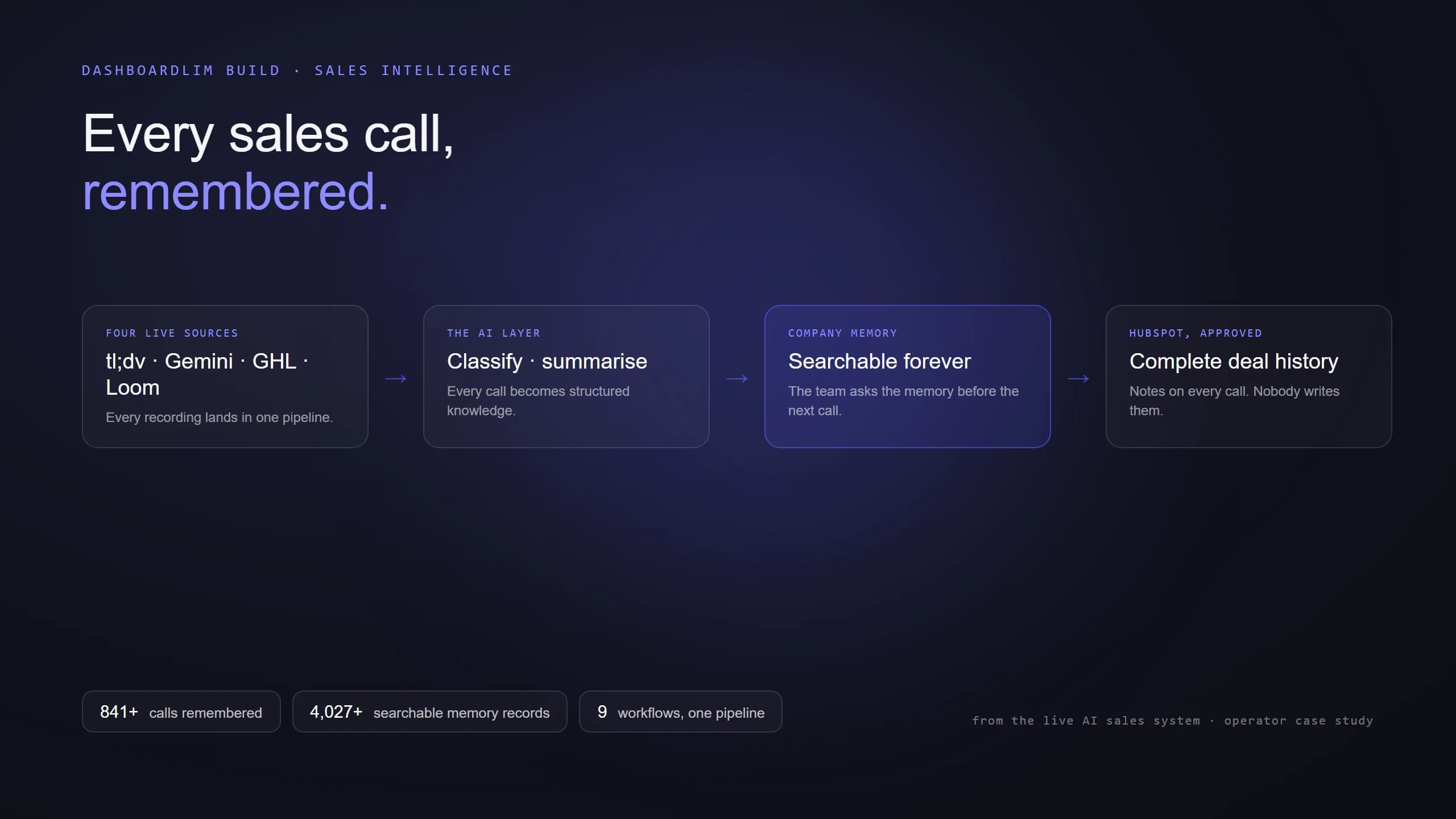
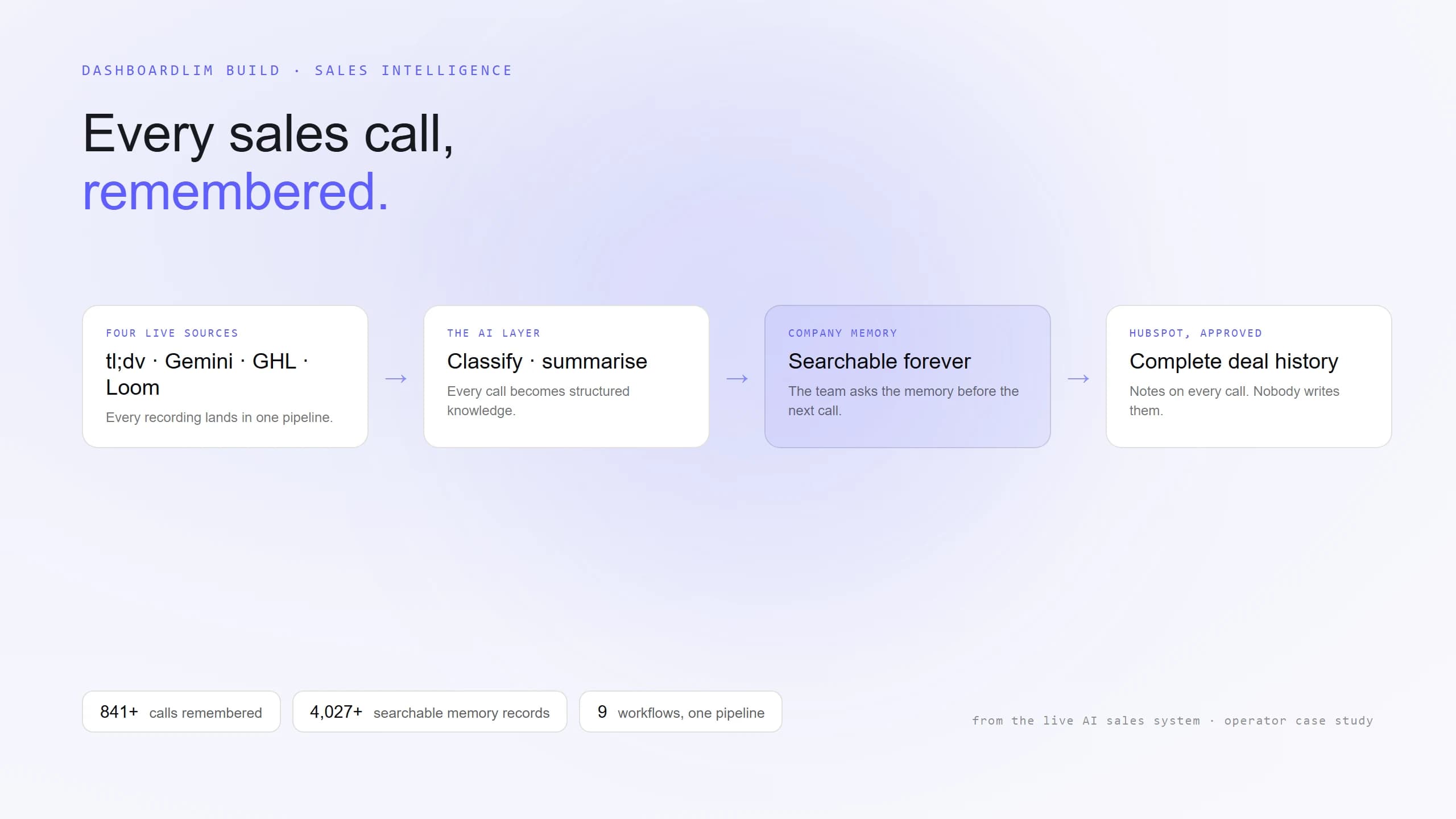
Our client runs a sales floor that lives on the phone. Every call was recorded and then effectively lost. We put the calls into one database and an AI in front of it, so the person running the floor can ask the day a question instead of listening back through it.
Trade qualifications · phone sales
52 calls behind one answer
Answers cite the call
The session, and the screens in it
The client, using it live
What it looks like when the person who runs the floor questions his own call data.
1 / 5
52
calls behind one answer
39
reached a person
239
minutes of conversation read
16
calls in the setter he asked about
Built on what the floor already runs on
Every call creates sales intelligence. Finding it is the problem.
Our client's team is on the phone all day. Setters chase inquiries. Reps run eligibility calls. Every one of those conversations is already recorded, and that part was working.
What was missing was the reading. Nobody has four hours to listen back. So a rep's week gets judged on dials and bookings, and the reason a call actually ended stays inside the recording.
He did not want another report. He wanted to ask the day a question and get an answer he could act on before the next shift.
What he already had
The boards were already counting. None of them could be asked.
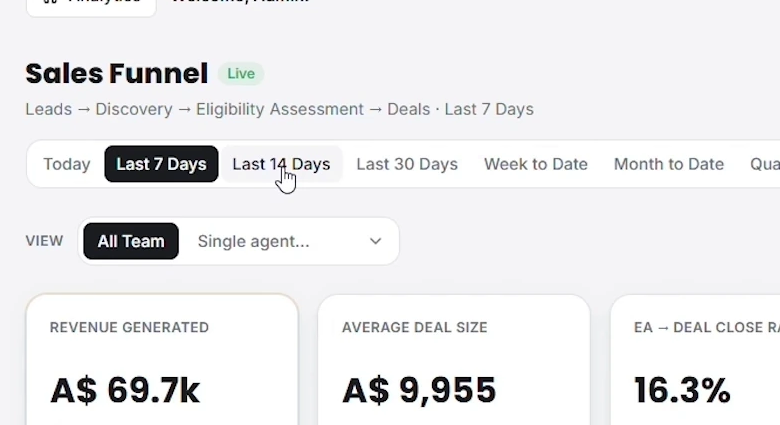
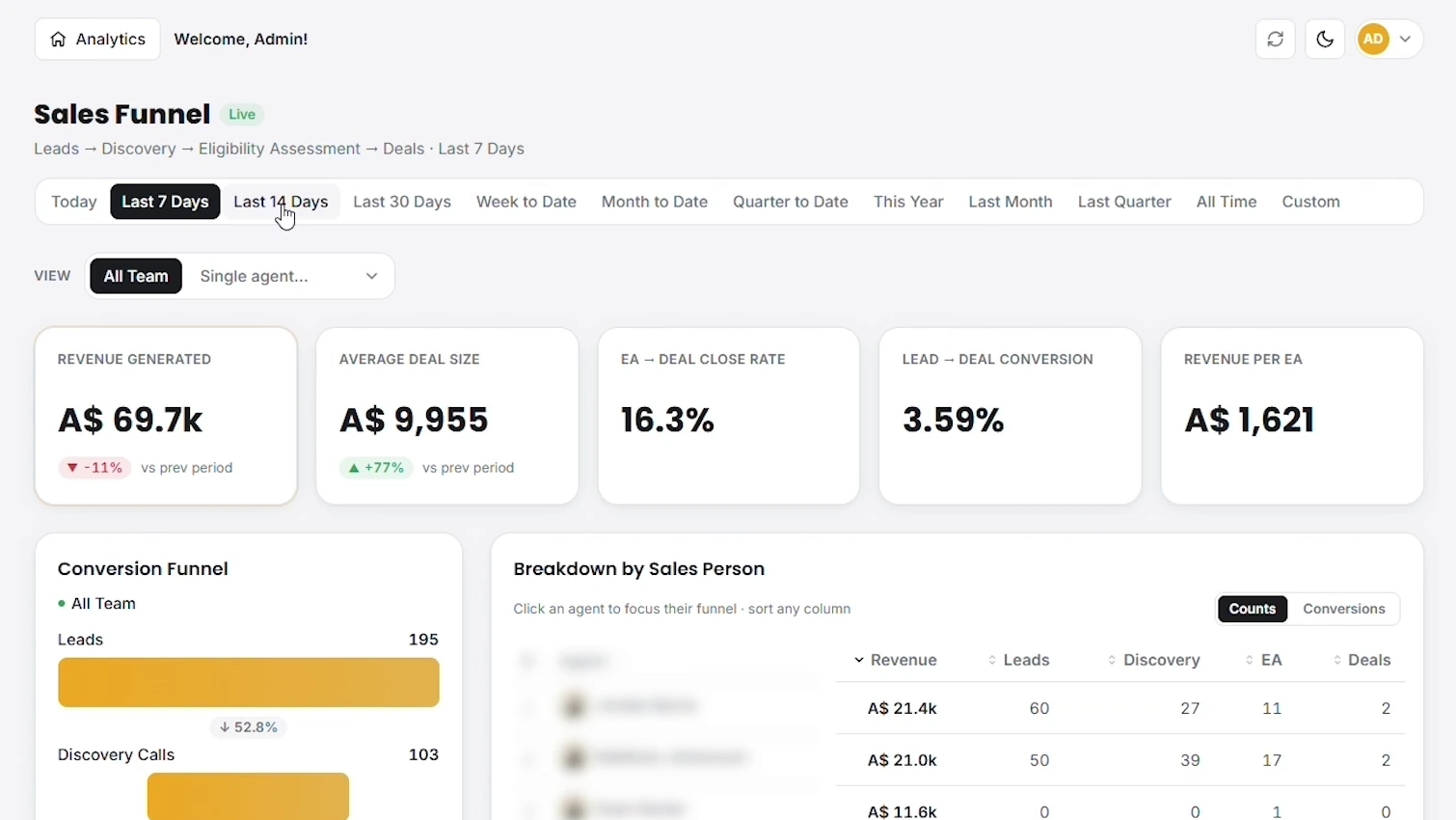
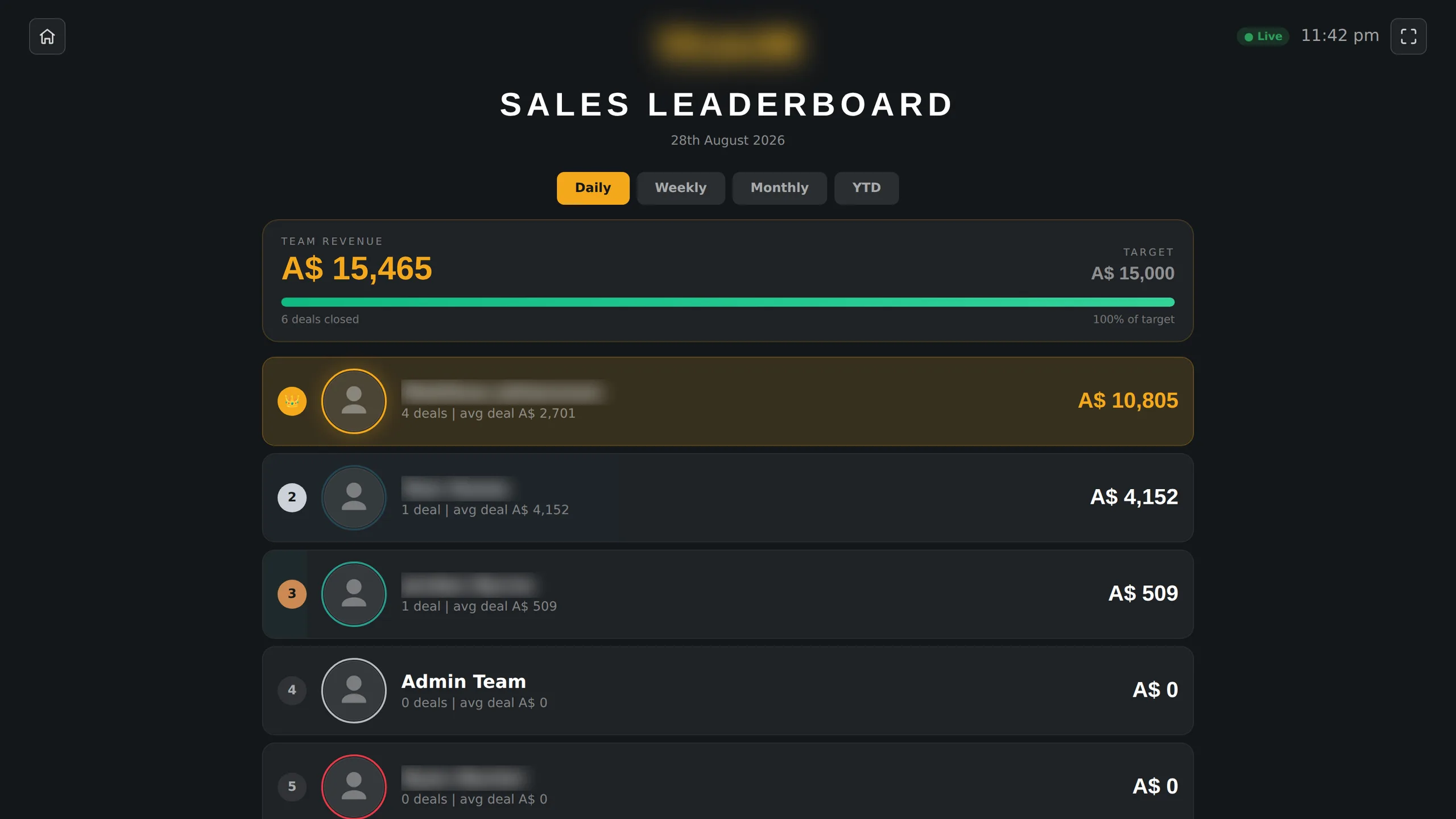
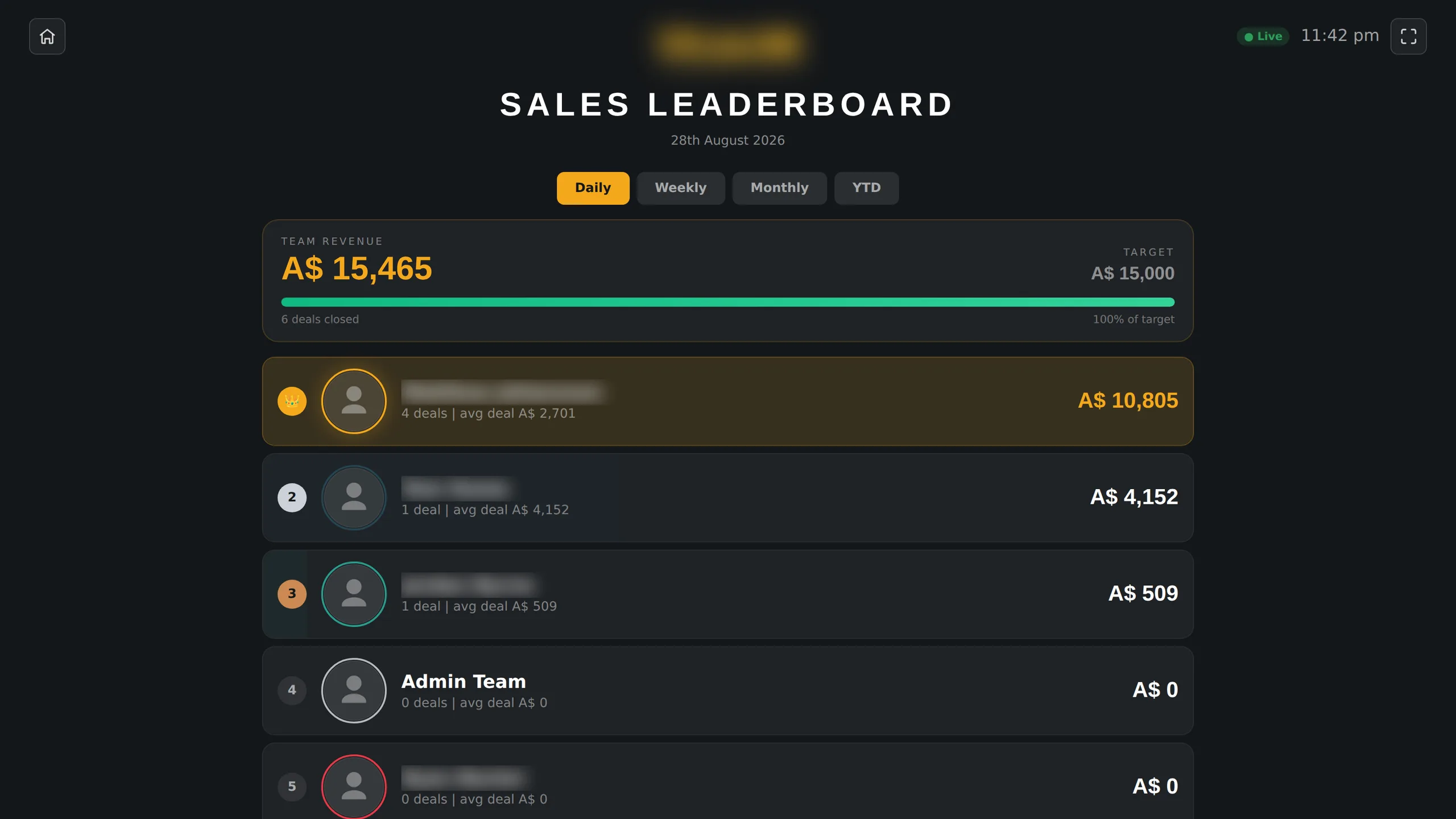
The client already runs a full reporting suite. Revenue, funnel, leaderboard, commission, talk time, dials. We built those too.
They count what happened. None of them can tell you why a call ended, or which objection keeps ending them.
That gap is the whole reason for this build.
Every board on this page is open in the same session as the answers below.
The live session · the funnel open in the same call
- The call happensA setter or rep dials from the CRM the floor already works inGHL
Seven boards, all live, none of them askable
This is the reporting suite the floor opens every morning. We built it. It answers how much, how many and how long. What it cannot answer is why a call ended, which is the question this build exists for.
The live session · the reporting suite, from the same call
He typed the question a manager actually has
Not "show me a dashboard". He asked where one setter keeps getting taken off the call, and which objection keeps ending it. This is that question, on his screen, in the session.
The live session · the question as it was typed
It pulled the day
All 16 of his calls that day plus the 5 from the afternoon before, each one with a transcript.
Where every call actually ended
The answer is not a score. It is the day, call by call, with the moment each one stopped.
“"It's good to see that at a glance, so I can get someone to do a better audit on that conversation."”
The live session · the answer as it was returned
Time, duration, order
Every dial as it happened, with how long it lasted.
Where it ended
The whole floor, not one rep
The same question asked of the team returns the shape of the day. Who dialled, who connected, and where the minutes actually went.
The live session · the same question, asked of the team
Calls against connects
Volume and contact rate side by side, per person.
Minutes, not just dials
239 minutes on the phone across the day, and who carried them.
How we wired it
Nothing new for the floor to use
The reps keep dialling from the CRM they already work in. Everything after the call is ours.
Where the calls already happen
SourceEvery dial, its recording and its transcript, from the phone system the team already uses.
From coaching to money
A weak exit is not only a coaching problem.
On a floor that buys its leads, it is spend.
What he did with it
He started counting the exits in lead spend
Reading down the list he stopped treating each weak exit as a coaching note. "Seeing 58 seconds… this wouldn't necessarily allow him to get off the call." Then he started adding them up at what he says a lead costs him: "That's a $30 exit… there's $60, there's $90, we're at $120 so far." His live assessment, in the session, off the calls on the screen.
The live session · the calls he counted
$30
his stated cost per lead
$120
four exits later
The next question
He asked the Brain for speed to lead
Once the calls could answer questions, the questions got sharper. He asked next: "How can I get, like, are you able to show me the speed to lead on team members, based on the lead hitting the CRM?"
The call table knew when a call happened. It did not know when the lead arrived. So we wired the arrival timestamps in from the CRM and built the board he asked for.
It measures every lead from the moment it lands to the first action against it, per rep, and marks the ones nobody ever actioned. It is with him for feedback now, before we make it live.
Asked in the session. Built after it. In review with the client before go live.
Handed over, and what came back
We hand it over
The board goes to him for feedback before it goes live.
1 / 2
The client thread · the handover, with the board preview
Adoption
He did not want it for one rep
He had opened the session with "It looks so good." By the end he was not asking about one setter any more.
"Yeah, no, I wanna, I wanna do it for all of them." That is the point of putting the memory in one table. Asking it about the next person is a question, not a project.
The live session · the boards the whole floor works from
What runs, what stays human, what we can add
The honest split. A system that reads sales calls is only worth trusting if it is clear about which part is automatic and which part is somebody's judgement.
Runs itself
Running unattended
Every completed call pulled back with its recording and transcript
Outcome classified as answered, voicemail, no answer or failed
The person who dialled resolved from the call, not the shared number
Calls of five seconds or less dropped before they reach the table
One row per call, updated if the transcript lands late
You decide
Deliberately still human
What changed
The day can be questioned Instead of listening back, the person running the floor types a question and gets the calls that answer it.
Coaching points at a conversation Not "your close rate is down". The specific calls, the exit reason on each, and the objection they share.
Dials stopped standing in for conversations Voicemails and dead numbers are separated out, so the sample everyone argues about is the calls that reached a person.
A weak exit has a price Read against what a lead costs, the same list stops being a coaching note and starts being spend.
Want a system like this?
Built on your stack. Owned by you. Shipped in weeks.